qEEG Brain Scan
Ever wish you could actually see what’s going on inside your brain instead of just guessing? Guessing is expensive!!!! That’s exactly what a qEEG brain scan allows us to do.
What is a Brain Scan?
Think of it like a map, not a diagnosis, not a label, but a clear, compassionate look at how your brain is functioning right now. No judgment. No overwhelm. Just information. And information is powerful.
This is one of my favorite tools because it takes the mystery out of things. Struggling with focus? Mood swings? Sleep? Anxiety? Feeling “off” but not sure why? Instead of playing trial and error, we get real data that helps us understand your unique brain pattern, and from there, we build a plan that actually makes sense for you.
It’s simple. It’s non-invasive. And honestly? It’s pretty fascinating. If you’re curious (and I don’t blame you 😉), scroll down to the bottom to check out the frequently asked questions and dive deeper into how it works and what to expect.
Key qEEG
Brain Mapping Details
qEEG brain scans are completely non-invasive, painless, and highly safe. They only measure and record the brain's naturally occurring electrical activity.
Non-invasive
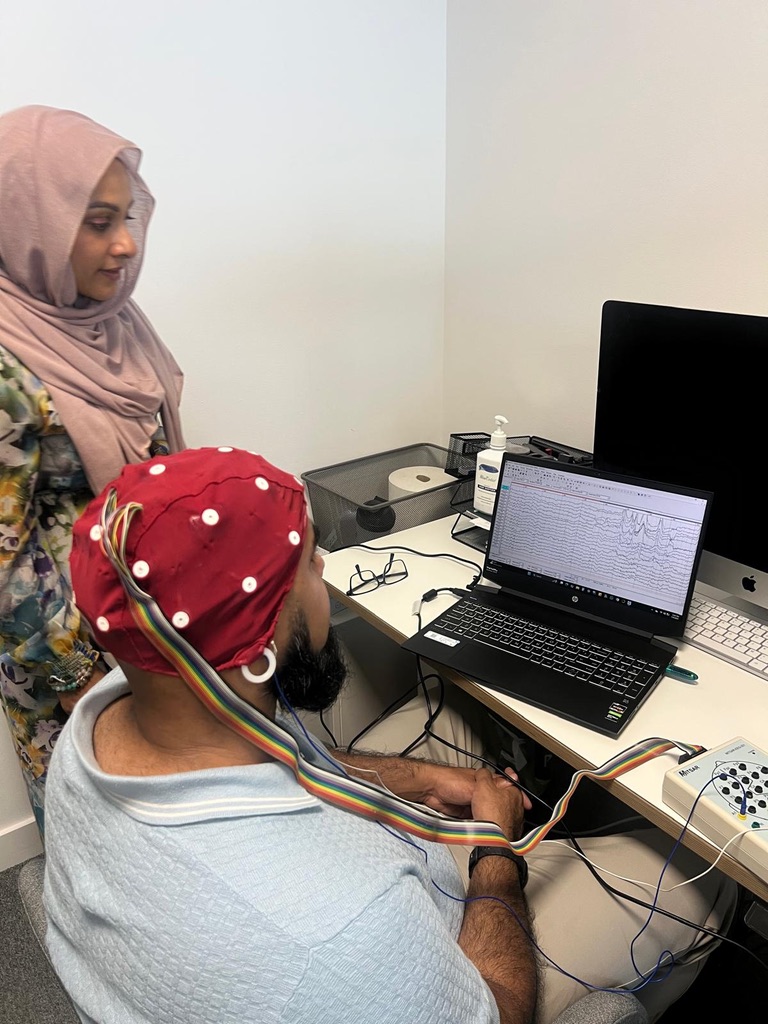
qEEG brain mapping is completely non-invasive. Small sensors are placed on the scalp using a conductive gel to record the brain’s natural electrical activity, nothing enters the body or brain.
Learn moreNo Radiation:
qEEG uses no radiation or radioactive tracers, making it a safe alternative to imaging methods such as CT or PET scans.
Learn moreNo Electrical Input
No electricity is sent into the brain. The system simply reads and measures the brainwave activity already being produced.
Learn moreSide Effects
The process is painless, safe, and has no known side effects.
Learn moreProcess
The assessment is quick and comfortable. It includes 5 minutes with eyes open and 5 minutes with eyes closed, with the full qEEG brain mapping session taking approximately 30 minutes including setup.
Learn moreBook Your Brain Scan Now
Pay just a £50 deposit to secure your spot, and let's finally find out what's really going on in that brain of yours.
Book NowWhat We Analyze
Brainwave Frequency Bands
Examines delta, theta, alpha, beta, and gamma waves across brain regions. Each band reflects different mental states like sleep, focus, relaxation, or alertness.
Power Spectral Analysis
Measures the amplitude and strength of electrical activity at each frequency. Identifies areas of overactivation or underactivation compared to normative databases.
Coherence & Connectivity
Assesses how synchronized different brain regions are with each other. Poor coherence may indicate disconnection issues linked to ADHD, trauma, or cognitive problems.
Asymmetry Patterns
Compares electrical activity between the left and right hemispheres. Abnormal asymmetry is often associated with depression, anxiety, or learning disorders.
Phase & Timing Relationships
Analyzes how brain signals align in time across distant regions. Disrupted phase relationships can reflect processing speed issues and neurological inefficiencies.
Z-Score Deviation Maps
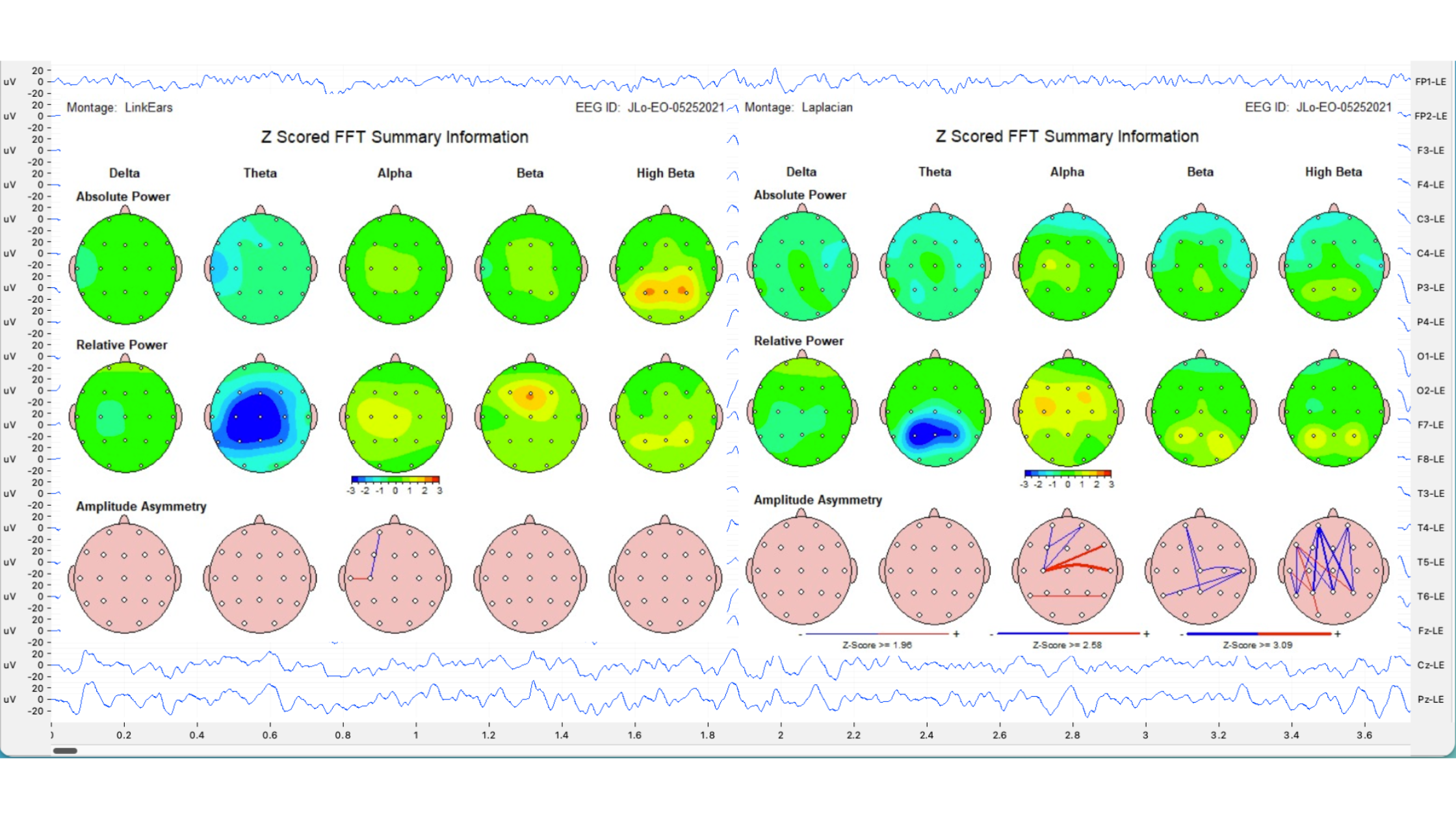
Compares the individual's brain activity statistically against a healthy population database. Highlights regions that deviate significantly from the norm, guiding clinical diagnosis and neurofeedback treatment.
A look inside a brain scan
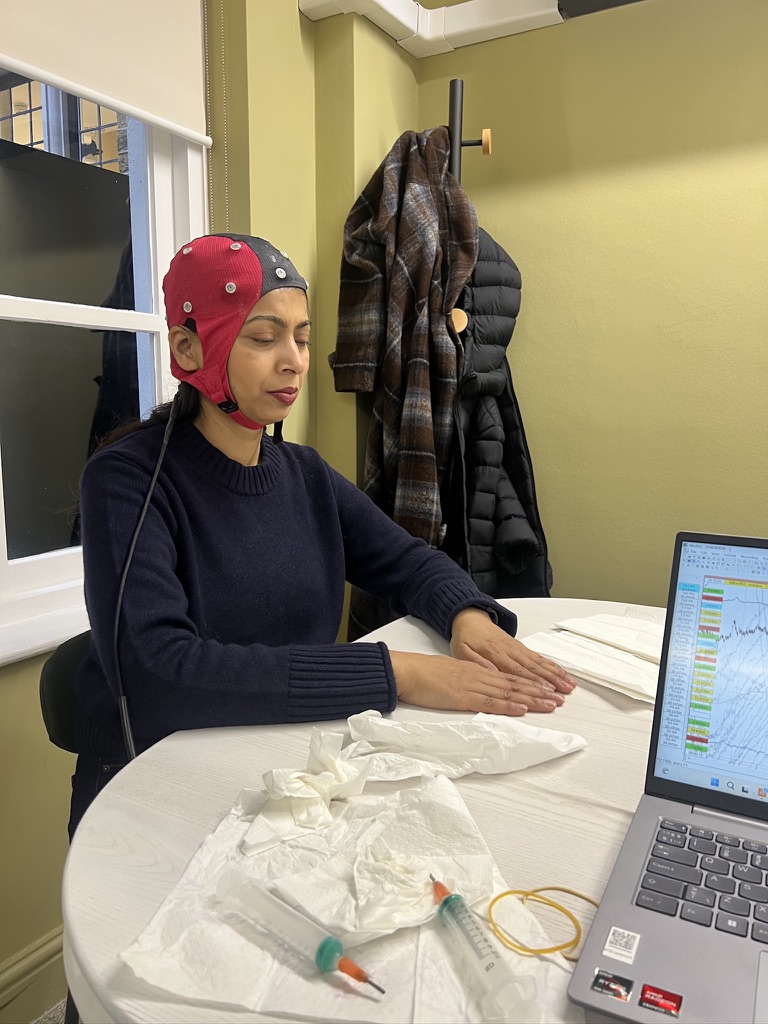
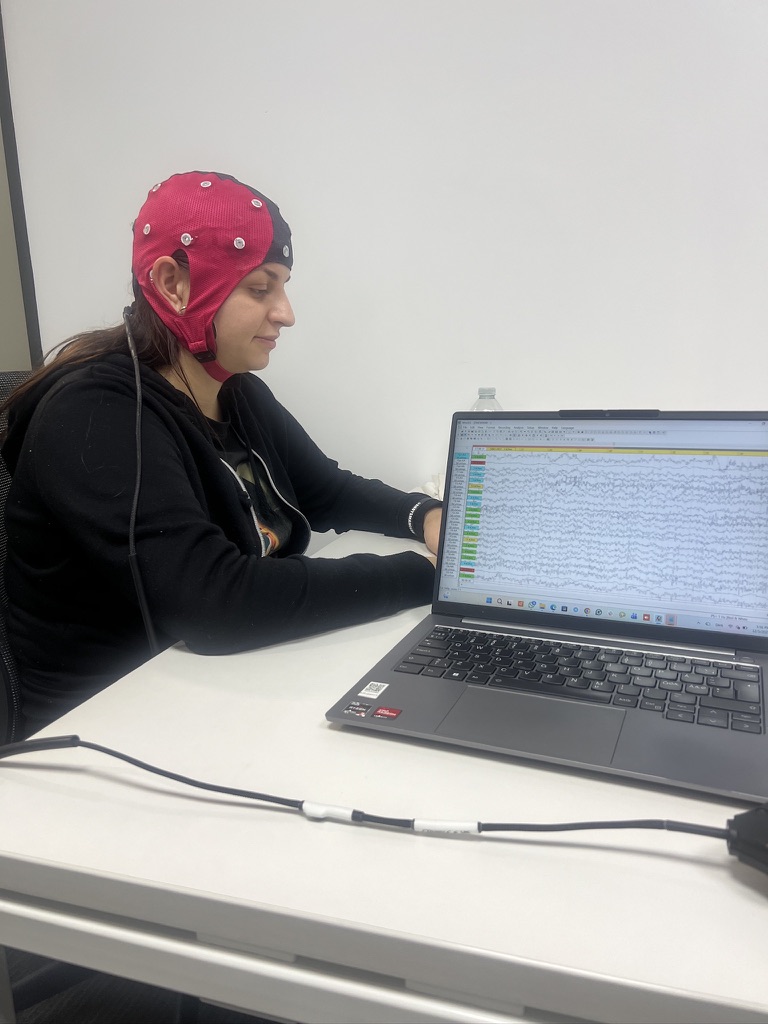
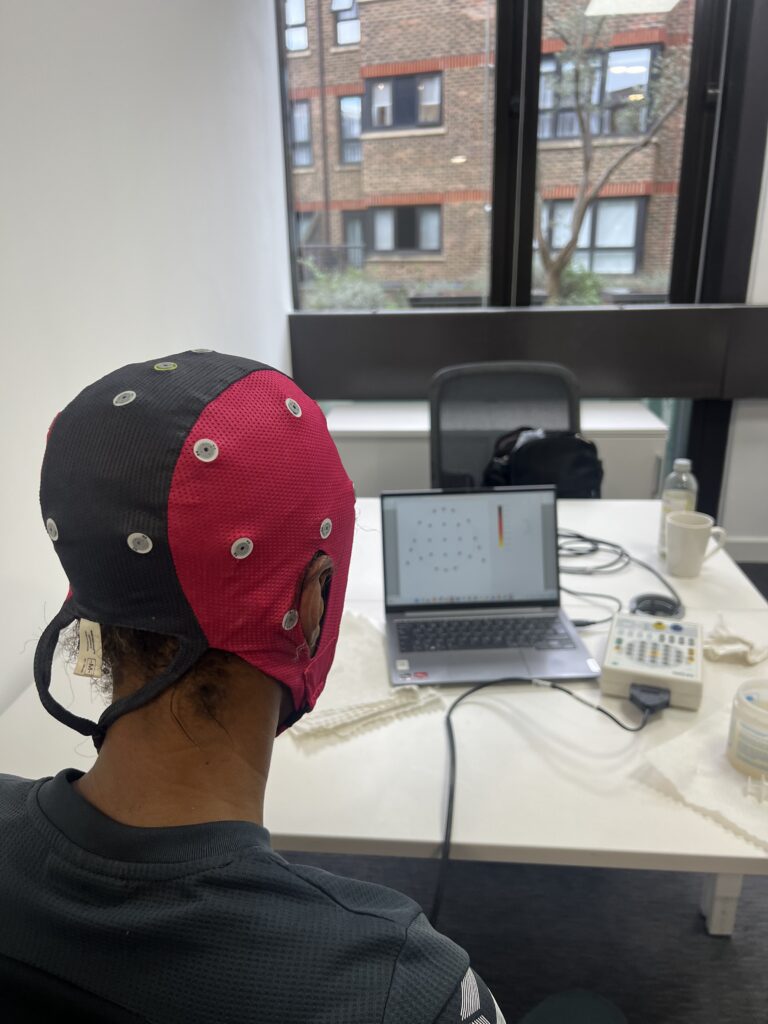
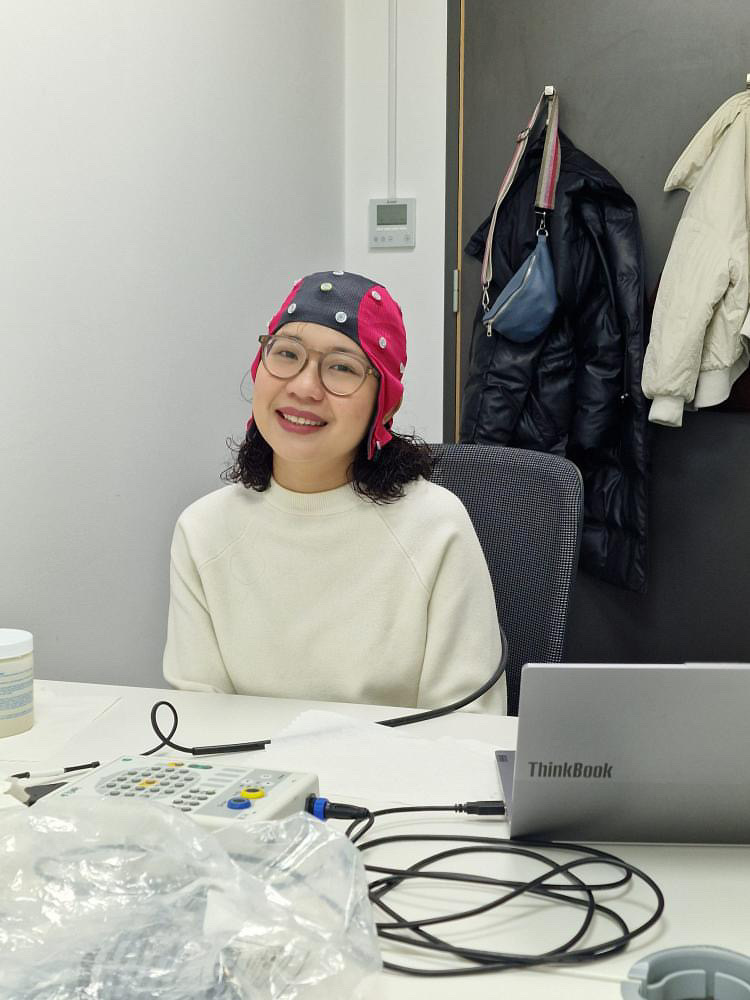
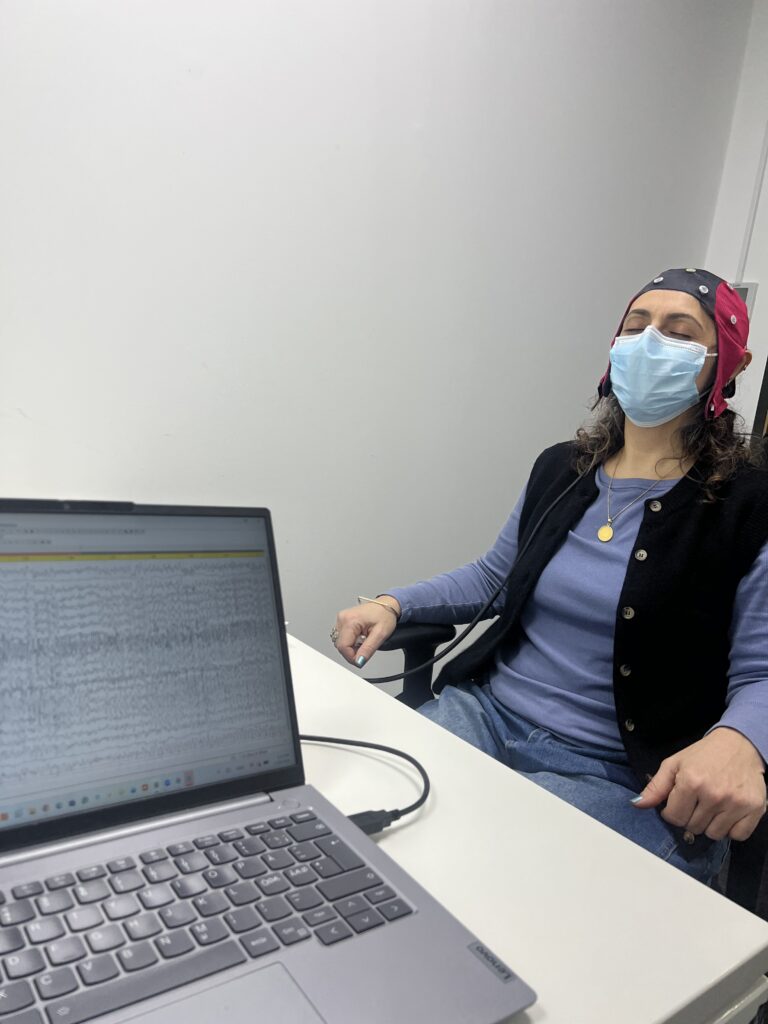
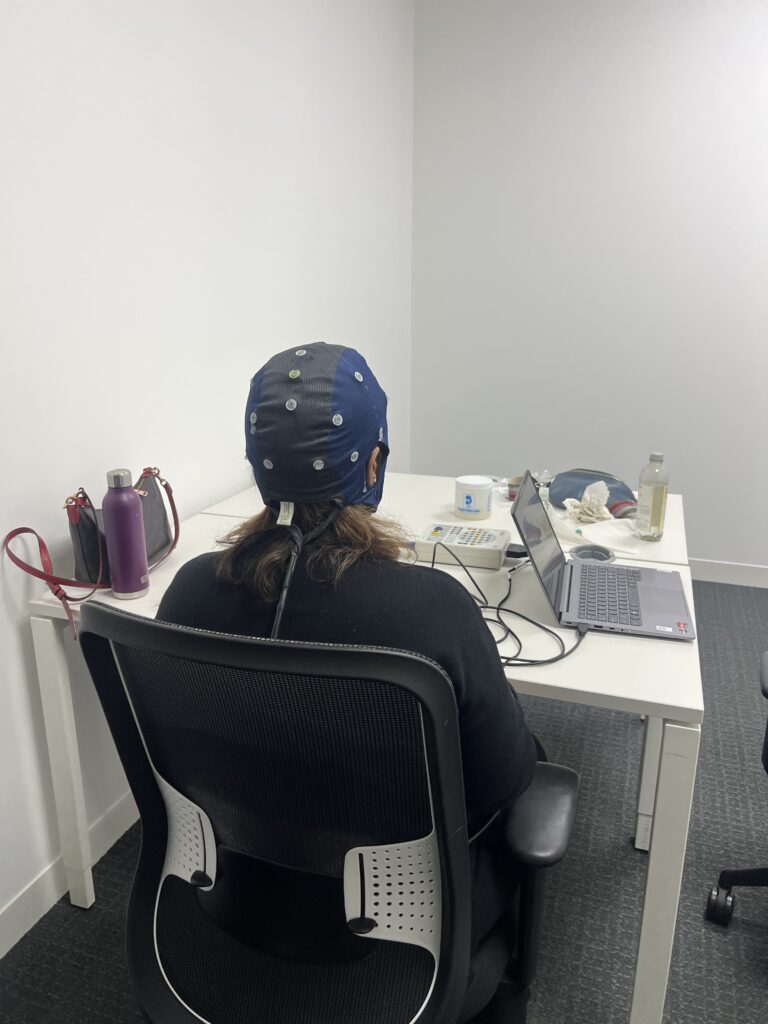
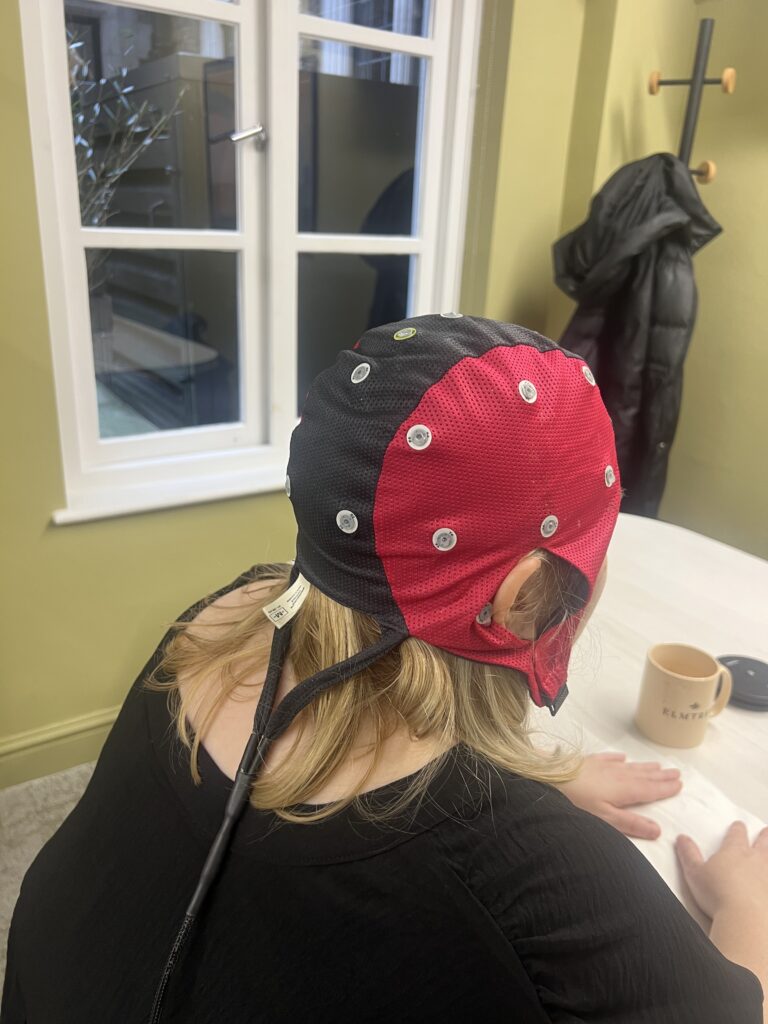

A simple, comfortable process
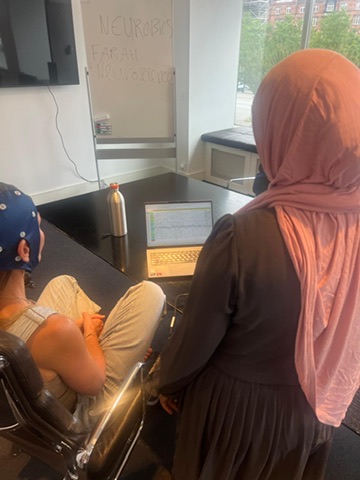
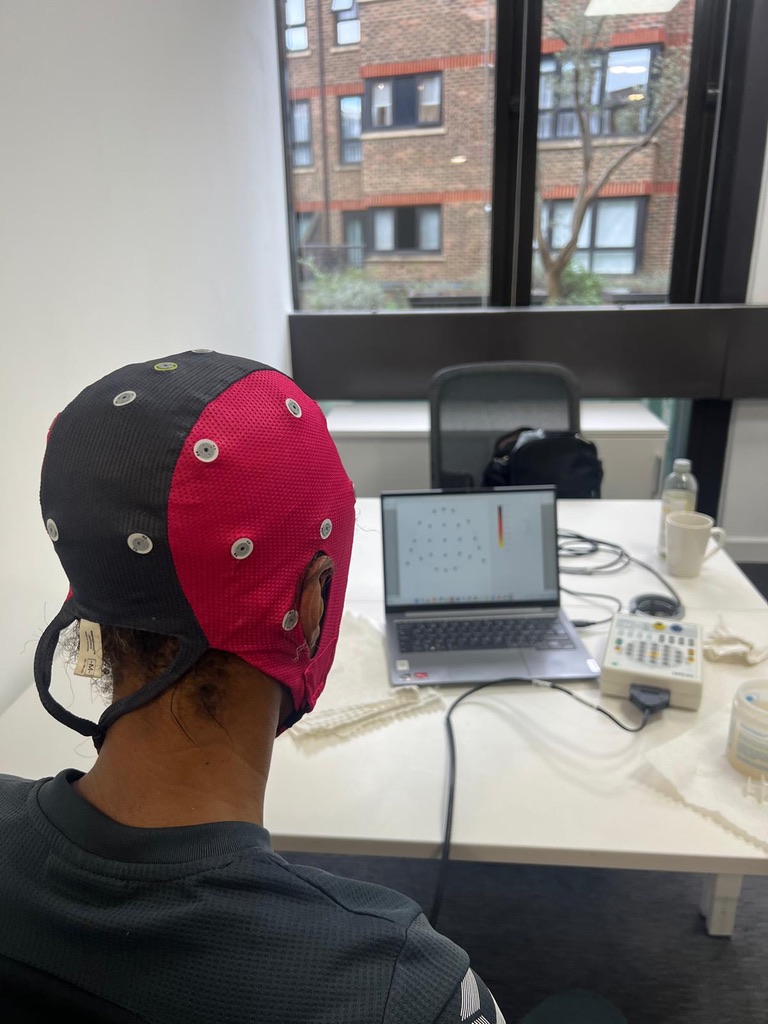
Here's what to expect during your session, and how the results go on to shape your training.
-
5 minutes, eyes open Assesses how the brain functions during active, alert awareness.
-
5 minutes, eyes closed Assesses how the brain functions in a relaxed, resting state.
-
About 30 minutes total Including preparation and setup, the full session typically takes around 30 minutes.
-
How the data is used Your recording is compared against normative databases to identify patterns, strengths, and areas of over- or under-activity. These insights then guide a personalized, brain-based training protocol.
A Gentle Heads Up
If you or your child are sensitive to textures, pressure, or new sensory experiences, I always like to prepare you in advance. The qEEG cap is soft and comfortable, similar to a swim cap. It fits snugly but should never feel painful. However, for some neurodivergent individuals or children, wearing something on the head may feel unfamiliar at first.
Another part of the process involves sitting relatively still for around 10 minutes, which can sometimes be the most challenging part. To support a calm and positive experience, children are welcome to watch a favourite show or movie during the scan. This helps them feel relaxed, safe, and engaged, making the process smooth and often enjoyable.
If you have any concerns, please let me know in advance. We can always adapt the experience to ensure comfort and support.

Frequently asked questions
A qEEG brain scan (quantitative electroencephalography), also known as brain mapping, is a non-invasive method used to measure and analyze brainwave activity.
It provides objective data on how the brain is functioning in real time, helping to identify patterns related to focus, stress, emotional regulation, and cognitive performance.
Brain mapping is a technique that records electrical activity (brainwaves) and presents it in visual form, often as 2D or 3D colour maps.
These maps highlight areas of the brain that may be:
- Overactive (hyperactivity)
- Underactive (hypoactivity)
This information is used to guide personalized neurofeedback training, supporting improvements in focus, sleep, emotional balance, and overall brain performance.
qEEG has its foundations in traditional EEG technology, which dates back to the 1920s.
It was further developed in the 1960s by researchers at the UCLA Brain Research Institute, in collaboration with NASA, to study the effects of space travel on brain function.
Since then, digital, computerized qEEG has been used for over 50 years in both clinical and research settings to analyze brainwave activity and better understand conditions such as ADHD, stroke, epilepsy, and other conditions.
Because QEEG is not always recognized as a standard-of-care, insurance companies often do not cover it, making it difficult for hospitals to receive payment.
A Quantitative Electroencephalogram (QEEG) is an FDA-approved, evidence-based diagnostic tool that compares with the database and measures the speed and processing efficiency of neuronal brain function and may be used to evaluate an individual’s brainwaves (EEG) and determine to what extent the individual’s brainwave patterns differ from neurotypical.
brain scans are safe, non-invasive, and painless, posing no known health risks, side effects, or radiation exposure. As a passive recording technique, it simply measures the brain’s existing electrical activity through sensors on the scalp, making it suitable for all ages.
QEEG (Quantitative Electroencephalogram) brain scans are safe for all ages, ranging from infants (as young as 24 weeks gestation) to older adults over 90. While they can be used across the entire lifespan, they are most commonly utilized for children (age 4+ or 9+) to adults.